The Installation Process: What to Expect When Installing Bifold Shutters
April 21, 2026
The decision to upgrade an outdoor living area often begins with a simple goal: making the space more usable without closing it off from the elements. Open balconies and decks can quickly become uncomfortable when exposed to harsh sun, strong winds or sudden rain, which is why many homeowners start looking for a solution that offers both protection and flexibility. For many homeowners, choosing bifold shutters Sunshine Coast properties rely on has become a practical way to achieve that balance, especially in elevated or exposed settings. While the finished result is what most people focus on, the installation process is what ultimately determines how well the system performs. Understanding each stage helps set clear expectations and ensures the end result works exactly as intended.
Initial Consultation Defines the Project Scope
Every installation begins with a detailed understanding of the space. Before any design work starts, installers assess how the outdoor area is used and what conditions it needs to withstand. This step goes beyond simple measurements. It considers exposure to wind, rain and sunlight, along with how the shutters will function on a daily basis. The goal is to create a system that feels integrated into the structure rather than added on later.
To establish a clear direction, the consultation typically covers:
- Precise measurements of the balcony or deck opening
- Assessment of mounting surfaces and structural support
- Preferred configuration for outdoor bifold shutters
- Evaluation of weather exposure and airflow requirements
This early planning stage ensures the system is built around real conditions, not assumptions.
Custom Design Built for External Performance
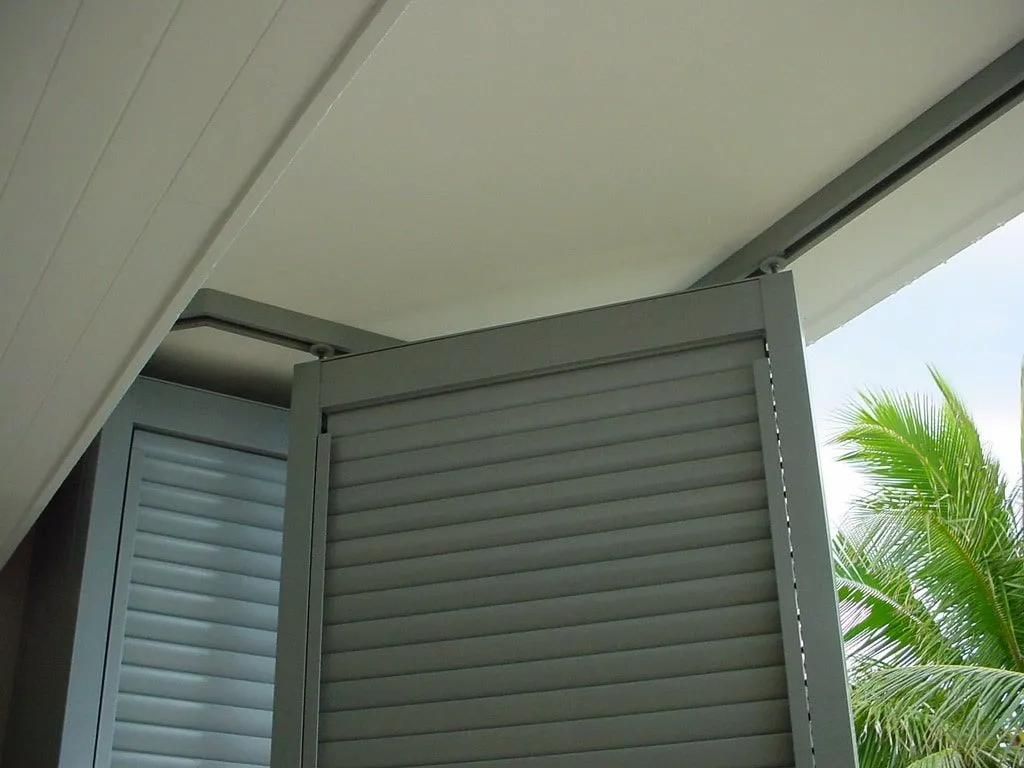
Design choices directly affect durability and usability. Once measurements are confirmed, the system is tailored to suit the specific outdoor environment. External aluminium shutters must handle constant exposure while remaining easy to operate. Panel sizing, frame strength and track systems are all carefully selected to suit the structure. The design also needs to maintain clean sightlines while still offering protection when required.
During the design phase, key elements are refined:
- Panel dimensions that suit the opening and stacking space
- External-grade tracks designed for smooth operation
- Reinforced framing for structural stability
- Finishes that resist corrosion, salt exposure and UV
A well-planned design ensures the shutters look cohesive while delivering reliable performance over time.
Site Preparation Supports Installation Accuracy
Preparation ensures the system performs as intended. Before installation begins, the site must be properly prepared to support the shutters. Even small inconsistencies can affect alignment and long-term operation.
Installers take the time to check surfaces, confirm fixing points and ensure everything is ready for a precise fit. This is particularly important for aluminium systems, where accuracy directly impacts functionality.
Preparation work generally includes:
- Levelling and aligning mounting surfaces
- Reinforcing structural fixing points if required
- Clearing obstacles from the installation area
- Rechecking measurements against final specifications
Careful preparation reduces the risk of adjustments later and helps streamline the installation process.
Aluminium Shutter Installation Requires Precision
The installation stage is where planning becomes reality. With everything prepared, installers begin assembling and securing the system. Each component must be positioned accurately to ensure smooth operation.
Tracks are installed first, followed by frames and panels. The alignment of these elements is critical, as even minor discrepancies can affect how the shutters fold and move.
The aluminium shutter installation process typically involves:
- Installing top and bottom track systems
- Securing frames to structural mounting points
- Fitting and aligning bifold panels
- Integrating locks and operating hardware
Attention to detail at this stage ensures the shutters function effortlessly in everyday use.
Weather Resistance is Carefully Verified
Outdoor systems must handle changing conditions. Once installed, the shutters are checked to ensure they provide effective protection without restricting airflow. This balance is essential in exposed environments.
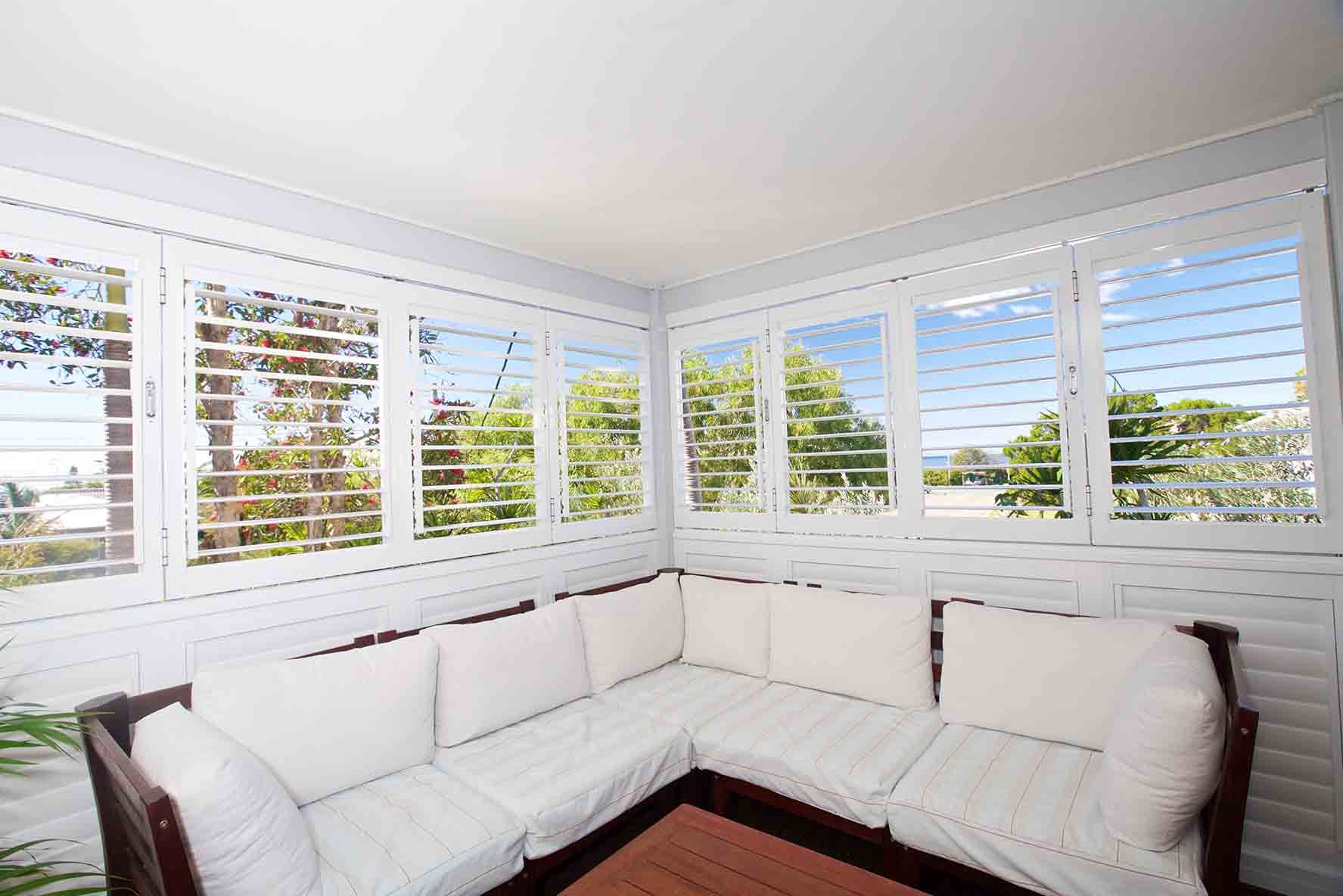
Proper sealing and alignment help prevent water ingress while still allowing ventilation through adjustable louvres. Installers also confirm that the system can handle wind pressure and ongoing exposure.
To ensure durability, checks are carried out on:
- Seals and joints for weather protection
- Panel stability and structural integrity
- Drainage pathways to prevent water buildup
- Surface finishes for long-term resistance
These checks help ensure the shutters perform reliably across different weather conditions.
Functional Adjustments Improve Daily Use
Fine-tuning enhances usability and comfort. After installation, each component is tested and adjusted to ensure smooth operation. This step is essential for achieving a consistent and user-friendly experience.
Installers make small refinements so the panels open, close and lock with ease. These adjustments may seem minor but have a significant impact on how the system feels to use.
Final adjustments usually include:
- Aligning panels for even spacing and movement
- Adjusting hinges and track tension
- Testing locking mechanisms for security
- Ensuring smooth folding and stacking
These refinements ensure the shutters operate reliably from day one.
Installation Timelines Remain Predictable
Understanding the process helps with planning. While each project varies, most installations follow a structured timeline from consultation through to completion. This allows homeowners to coordinate other improvements around the same timeframe. The duration depends on factors such as fabrication requirements and site conditions, but the process is generally straightforward.
A typical installation timeline includes:
- Initial consultation and site measure within a short timeframe
- Design finalisation followed by manufacturing
- On-site installation completed over a few days
- Final adjustments and system handover
Clear communication throughout ensures expectations are met at every stage.
Long-Term Benefits Extend Beyond Installation
The value of professional installation becomes clear over time. Well-installed outdoor bifold shutters improve how a space is used every day. They allow for flexibility, making it easy to adapt to changing weather conditions without losing connection to the outdoors. In exposed settings, aluminium shutters provide a practical balance between protection and openness. They reduce glare, shield against wind-driven rain and still allow natural airflow.
The long-term advantages are reflected in:
- Greater comfort across different weather conditions
- Improved airflow without sacrificing privacy
- Durable materials suited to outdoor environments
- Increased usability of balconies and outdoor areas
These benefits highlight why both product quality and installation expertise matter equally.
Transform Your Balcony With Expert Installation
We at Balcony Shutters specialise in designing and installing external aluminium bifold systems built for coastal conditions across the Sunshine Coast. If you’re planning to upgrade your balcony or outdoor area, get in touch with our team to discuss your options, arrange a consultation or book your installation.